
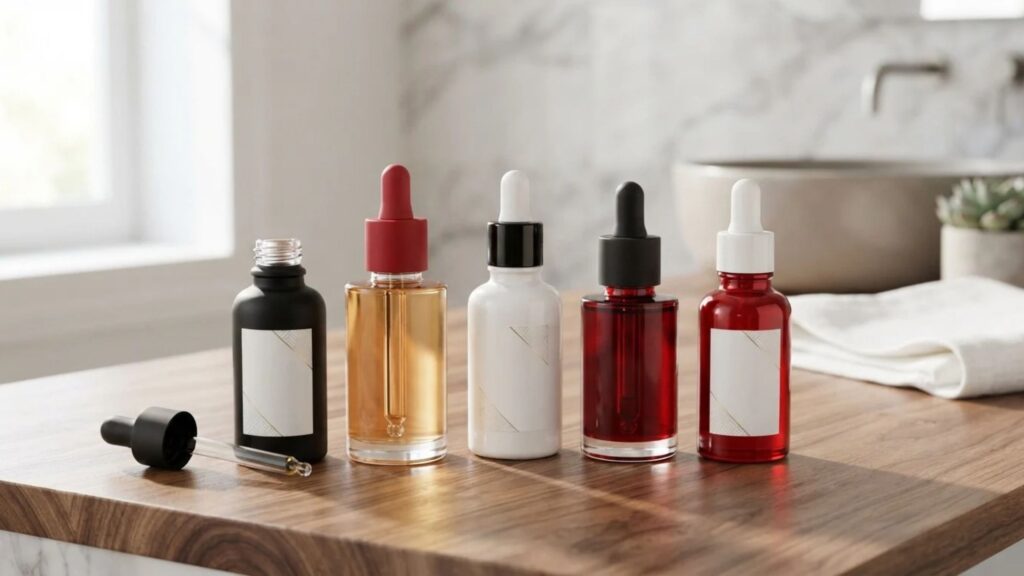
Great skin doesn’t come from a twelve-step routine or a shelf full of expensive bottles. It comes from a handful of well-chosen products used consistently. Whether your skin is oily, dry, sensitive, or somewhere in between, these five essentials form the foundation of a routine that actually works.
1. A Gentle Cleanser
Every good routine starts with a clean face. A cleanser removes dirt, excess oil, sweat, and pollution that build up throughout the day, and it clears the way for your other products to absorb properly.
The biggest mistake people make here is choosing a cleanser that’s too harsh. If your face feels tight, squeaky, or dry after washing, the product is stripping away your skin’s natural moisture barrier. That can trigger more oil production, redness, and irritation.
What to look for:
- Oily or acne-prone skin: a gel or foaming cleanser with salicylic acid, which helps unclog pores.
- Dry or sensitive skin: a cream or milk cleanser with ingredients like ceramides or glycerin.
- Combination skin: a balanced, pH-friendly gel cleanser that cleans without over-drying.
How to use it: Wash morning and night with lukewarm water, massaging gently for about 30 to 60 seconds. Avoid hot water, which can worsen dryness and redness. If you wear makeup or heavy sunscreen, consider double cleansing in the evening: an oil or balm cleanser first, then your regular cleanser.
2. A Vitamin C Serum
If you want one active ingredient that improves the look of your skin over time, vitamin C is a strong candidate. It’s a powerful antioxidant that protects your skin from environmental damage, helps fade dark spots and uneven tone, and supports collagen production for a firmer, brighter appearance.
Serums are lightweight, concentrated formulas, which makes them ideal for delivering active ingredients deep into the skin.
What to look for:
- A concentration between 10% and 20% L-ascorbic acid for most skin types.
- Gentler derivatives like sodium ascorbyl phosphate or magnesium ascorbyl phosphate if your skin is sensitive.
- Packaging that is dark, opaque, or airtight. Vitamin C breaks down when exposed to light and air, so a clear jar on a sunny shelf won’t do much.
How to use it: Apply a few drops to clean, dry skin in the morning, before moisturizer and sunscreen. It pairs especially well with sunscreen, boosting your daily protection against UV-related damage. Start slowly, perhaps every other day, to let your skin adjust.
3. A Reliable Moisturizer
Moisturizer is not just for dry skin. Every skin type needs hydration, and oily skin in particular can become oilier when it’s dehydrated. A good moisturizer locks in water, strengthens the skin barrier, and keeps your complexion soft and balanced.
Think of your skin barrier as a brick wall: skin cells are the bricks, and lipids like ceramides are the mortar. A healthy barrier keeps moisture in and irritants out. Moisturizers help maintain it.
What to look for:
- Humectants like hyaluronic acid and glycerin, which draw water into the skin.
- Emollients and ceramides, which soften and repair the barrier.
- Occlusives like squalane or shea butter, which seal in moisture (especially useful for dry skin and cold weather).
For oily skin, choose a lightweight gel or lotion labeled non-comedogenic. For dry skin, a richer cream will feel more comfortable. Apply it morning and night, right after your serum, while your skin is still slightly damp.
4. Broad-Spectrum Sunscreen
If you take only one tip from this article, let it be this: wear sunscreen every day. Dermatologists consistently name it the single most effective anti-aging product, and it’s also your best defense against sunburn and skin cancer.
UV rays cause the majority of visible skin aging, including wrinkles, dark spots, and loss of firmness. And they’re present year-round, even on cloudy days and through windows.
What to look for:
- SPF 30 or higher, labeled “broad-spectrum,” which means it protects against both UVA and UVB rays.
- Mineral sunscreens (zinc oxide or titanium dioxide) tend to be gentler and are a good choice for sensitive skin.
- Chemical sunscreens are often lighter and blend more invisibly, which suits many people who dislike a white cast.
How to use it: Apply it as the last step of your morning routine. Use about a quarter-teaspoon for your face alone, and reapply every two hours if you’re outdoors or sweating. The best sunscreen is the one you enjoy wearing, because that’s the one you’ll actually use.
5. A Retinoid or Gentle Exfoliant
The fifth essential depends on your goals, but both options do the same job: encouraging your skin to renew itself.
Retinoids (including retinol, retinal, and adapalene) are among the most researched skincare ingredients in existence. They help smooth fine lines, unclog pores, fade discoloration, and improve overall texture. They can also cause dryness and peeling at first, so start with a low concentration two or three nights a week, always in the evening, and always with sunscreen the next morning. Retinoids aren’t recommended during pregnancy, so check with your doctor if that applies to you.
Chemical exfoliants such as AHAs (glycolic or lactic acid) and BHAs (salicylic acid) dissolve the bonds between dead skin cells, revealing brighter, smoother skin. They’re often gentler than physical scrubs, which can cause tiny tears in the skin. Use them one to three times a week rather than daily.
A good rule: don’t introduce a retinoid and an exfoliant on the same night, especially when you’re starting out.
Putting It All Together
Here’s a simple routine built from these five products:
Morning:
- Cleanser
- Vitamin C serum
- Moisturizer
- Sunscreen
Evening:
- Cleanser (double cleanse if wearing makeup or sunscreen)
- Retinoid or exfoliant (on alternating nights)
- Moisturizer
A Few Final Tips
Introduce one product at a time. Adding several new products at once makes it impossible to know what’s helping and what’s causing irritation. Wait one to two weeks between additions.
Patch test. Try new products on a small area, such as behind the ear or along the jawline, for a few days before applying them to your whole face.
Be patient. Skincare takes time. Most products need at least four to six weeks of consistent use before you see real results, and retinoids can take three months or more.
Don’t overdo it. More products and more actives do not mean better skin. Over-exfoliating and layering too many strong ingredients is a common cause of redness, stinging, and breakouts.
See a professional when needed. If you’re dealing with persistent acne, severe irritation, or changes in a mole or skin spot, a dermatologist can offer personalized guidance that no product guide can.
Final Thoughts
Healthy skin isn’t about chasing trends. It’s about protecting, hydrating, and gently renewing your skin every day. Start with a cleanser, vitamin C serum, moisturizer, and sunscreen, then add a retinoid or exfoliant as your skin adjusts. Keep it simple, stay consistent, and your skin will thank you.
Would you like me to adapt this post for a specific skin type, add product recommendations, or optimize it with SEO keywords?